Our wildlife’s fate is in the hands of just one species: Homo sapiens.
Human activities threaten wildlife in two main ways: by destroying and damaging the places where wildlife lives, and by using them in ways that are unsustainable.
Vast areas of natural habitat continue to be lost to agriculture, urban sprawl, mining and infrastructure, or are suffering from the effects of pollution, introduced species that often out-compete native wildlife, and, increasingly, climate change.
Meanwhile, many species are declining because of unsustainable levels of hunting, fishing and harvesting. Others are being driven toward extinction to support the international wildlife trade, or killed when they come into direct conflict with humans and livestock.
We can turn things around
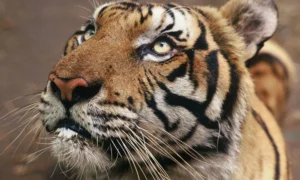
Tiger numbers are increasing for the first time in over a century, the Irrawaddy dolphin population is rising after decades of decline, and more and more countries in Asia are banning sales of elephant ivory.
People have benefited too. Protecting forests and other crucial habitats helps conserve the natural living resources that many communities depend on. Sensitively managed eco-tourism is also bringing much needed income to many developing countries.
These are positive signs and are helping to put us on the right path to a brighter future for people and nature. But we need to do much more to halt and reverse the decline in the world’s wildlife. Ultimately, our own well-being and survival depend upon it.